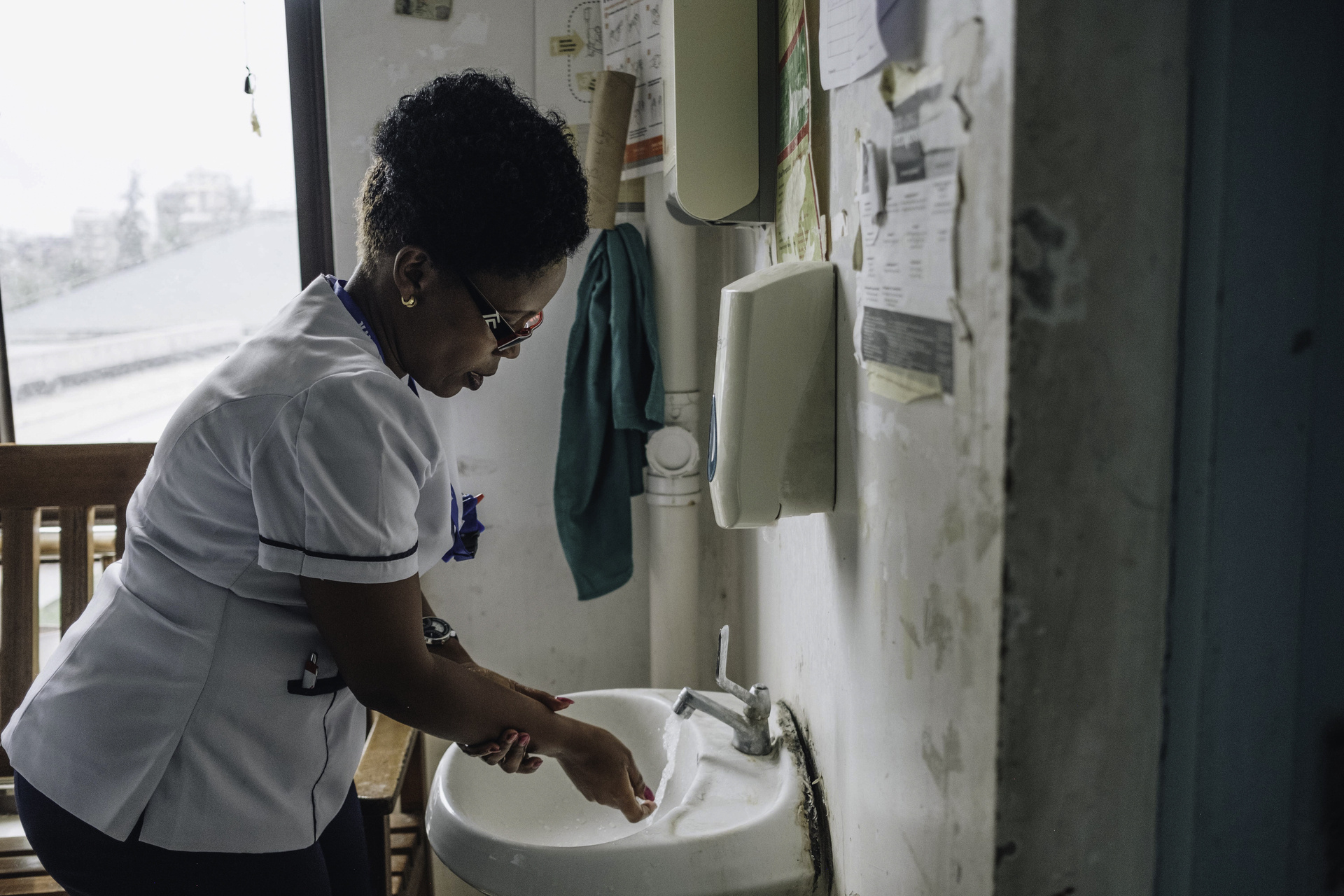
WHO/Q. Mattingly
© Credits

Antimicrobial resistance

    Overview

    Antimicrobial resistance (AMR) threatens the effective prevention and treatment of an ever-increasing range of infections caused by bacteria, parasites, viruses and fungi.

    AMR occurs when bacteria, viruses, fungi and parasites change over time and no longer respond to medicines making infections harder to treat and increasing the risk of disease spread, severe illness and death. As a result, the medicines become ineffective and infections persist in the body, increasing the risk of spread to others.

    Antimicrobials - including antibiotics, antivirals, antifungals and antiparasitics - are medicines used to prevent and treat infections in humans, animals and plants. Microorganisms that develop antimicrobial resistance are sometimes referred to as “superbugs”.

    News

    All →

    Preventing antimicrobial resistance together: Quadripartite announces WAAW 2022 theme

    Jun 30, 2022, 11:59 AM

    The Quadripartite organizations - the Food and Agriculture Organization of the United Nations (FAO), the United Nations Environment Programme (UNEP), the World Health Organization (WHO), and the World Organisation for Animal Health (WOAH, founded as OIE) are pleased to announce the theme of World Antimicrobial Awareness Week (WAAW) 2022: ‘Preventing antimicrobial resistance together’.

     Antimicrobial resistance (AMR) is a threat to humans, animals, plants and the environment. It affects us all. This is why this year’s theme calls for collaboration across sectors to preserve the efficacy of these critical medicines. Fighting AMR is a truly global endeavour and must be addressed through a One Health approach.

    To curb it effectively, all sectors must join forces and encourage the prudent use of antimicrobials, as well as preventive measures. Strengthening infection prevention and control in health care facilities, farms and food industry premises, ensuring access to vaccines, clean water, sanitation and hygiene, implementing best practices in food and agriculture production, and guaranteeing the sound management of waste and wastewater from relevant industries are critical to reducing the need for antimicrobials and minimizing the emergence and transmission of AMR.

    The slogan of World Antimicrobial Awareness Week remains 'Antimicrobials: Handle with Care'. WAAW is celebrated from 18 to 24 November every year.

    Visual stamp

    Preventing antimicrobial resistance together

    WAAW 2022 materials will be available in the coming weeks.

    The WAAW 2021 campaign site can be accessed here.


    Latest publications

    All →
    Integration of equity into national action plans on antimicrobial resistance: guidance to complement the people-centred approach

    Antimicrobial resistance (AMR) poses a major threat to global health and development, yet equity remains insufficiently addressed in AMR policy and practice....

    Understanding antibiotic access in the WHO African Region: results of a multicountry survey and stakeholder roundtables

    This report presents findings from a multi-country survey and stakeholder roundtables conducted to better understand antibiotic access challenges in the...

    Blueprint for strengthening responses to fungal disease and antifungal resistance

    The Blueprint for strengthening responses to fungal disease and antifungal resistance Implementation guidance, provides a structured, operational...

    Strengthening clinical diagnostic stewardship in the Western Pacific Region: a practical manual

    Clinical diagnostic stewardship – taking the right test in the right way at the right time and using the results correctly, saves lives. Fighting...

    Our work

    Documents

    All →

    Country profiles

    Country profiles

    Country profiles present selected data, statistics and information to provide national health profiles at given points in time.
    GO

    Related links