
World Chagas Disease Day 2026
On 14 April this year, World Chagas Disease Day places women where they belong: at the heart of the attention.
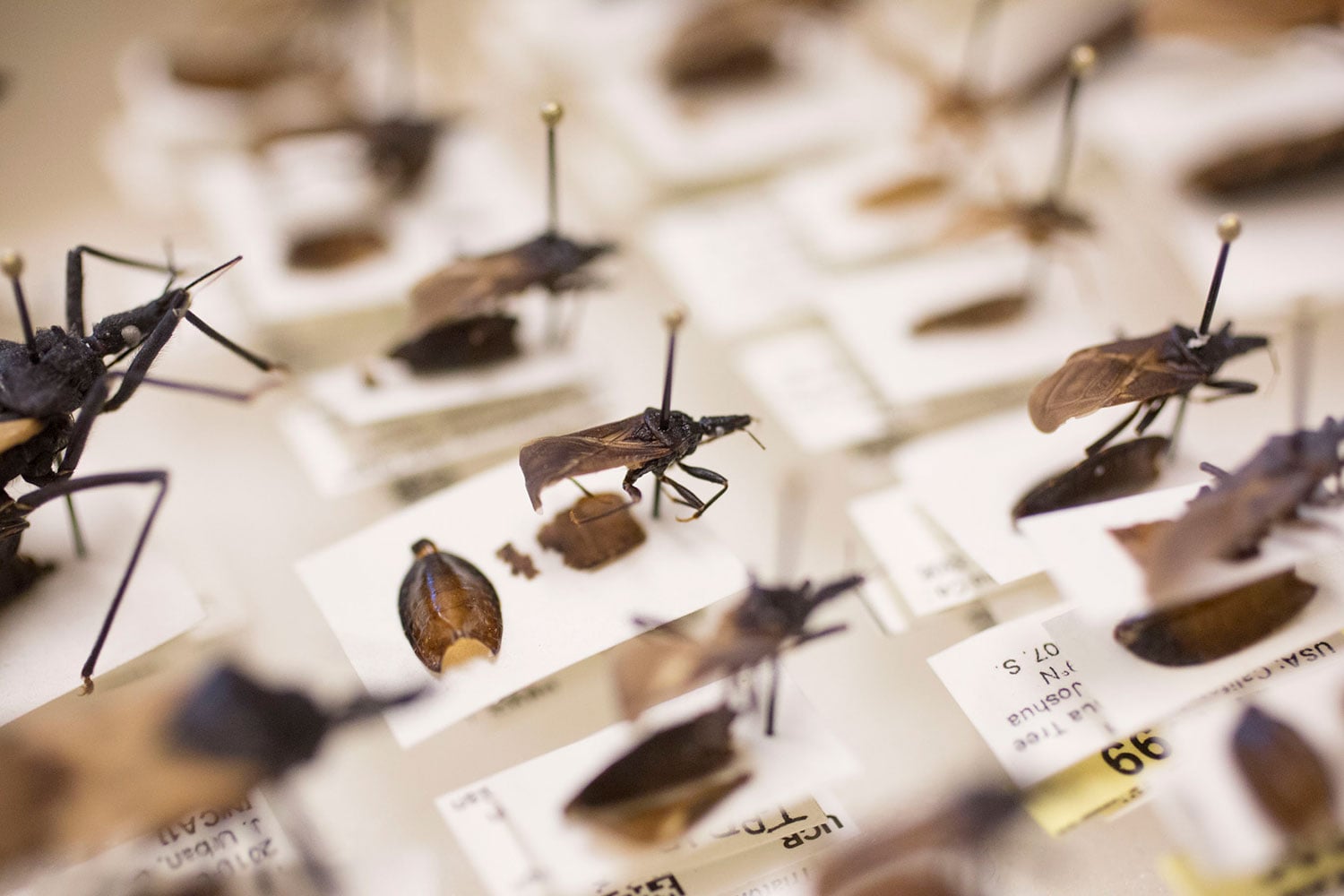
For too long, women have been neglected and unfairly stigmatized as a "source of infection" for congenital Chagas disease—blamed for passing the parasite to their children. The reality is very different. The vast majority of women living with Chagas disease were infected the same way as their family and neighbours: for instance, through vector transmission by a triatomine bug, or by consuming contaminated food or drink. They are not the source of the problem—they are among its millions of overlooked victims.
Despite this, girls and women of childbearing age have been systematically neglected. They face a lack of information, education, and awareness, coupled with limited access to diagnosis and treatment. This leaves them at risk of developing cardiomyopathy and facing a high-risk pregnancy, or of transmitting the infection to their children. In addition, they receive limited support for the vital role they play in preventing and controlling Chagas disease at the family, home, and community levels. The consequences are severe: up to one-third of women with T. cruzi infection will develop cardiac alterations that can lead to cardiomyopathy, turning pregnancy into a high-risk event for both mother and child.
The facts demand action:
- About 2 million women aged 15-44 years are living with Trypanosoma cruzi infection worldwide.
- Transmission during pregnancy or birth occurs in about 3–5% of pregnancies and is now the principal route of infection in areas where vector transmission is controlled and at global level.
- If left untreated, one third of infected people—including women and the children they carry—will develop life-altering heart, digestive and even neurological conditions.
- Yet treatment of infected girls and women before pregnancy is practically 100% effective in preventing congenital transmission.
- And when infected newborns are diagnosed and treated in their first year of life, the cure rate exceeds 90%.
Message from Dr Tedros Adhanom Ghebreyesus, Director General, WHO


This World Chagas Disease Day, we call on health systems, policymakers, educational system, and communities to:
- Screen every at-risk girl and woman of childbearing age—before pregnancy.
- Treat all girls and women of childbearing age (before or between pregnancies) diagnosed with T. cruzi infection promptly and effectively, protecting their health and their future children.
- Test all newborns of mothers with infection, at least at birth and after 8 months, together with their siblings, ensuring no diagnosis of babies is missed.
- Promote the implementation of legal frameworks and protocols to increase the coverage of maternal and children health in relation to Chagas disease.
- Introduce health education components on maternal and child health components to increase awareness at community and family levels.
- Support women as the central partners they are in surveillance, prevention - in safe food preparation and stock to avoid foodborne transmission, in caring for affected family members, and in breaking the cycle of congenital transmission for good.

You are a health-care provider
How you talk about Chagas disease matters!
Instead of this...
Try this....
Women are not the source of Chagas disease. They are the heart of the response. When we support a woman, we protect her and the next generation.